
Antimicrobial resistance of Escherichia coli in Hungarian wild rats and characterization of a CTX-M-1 type ESBL plasmid
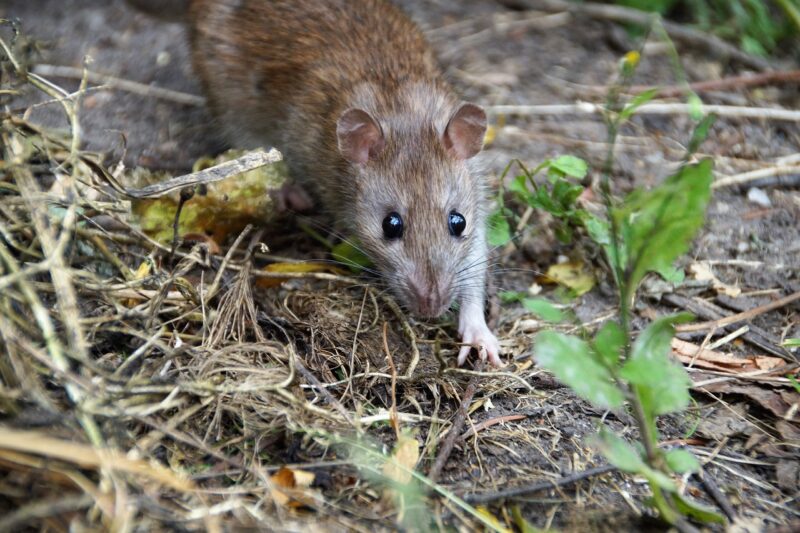
This study analysed antimicrobial resistance (AMR) in Escherichia coli isolated from urban brown rats (Rattus norvegicus) in Hungary. AMR E. coli were detected in 25.6% of rats, with 8.9% showing multidrug resistance. The most common resistance pattern was to ampicillin and tetracycline, associated with plasmid-borne genes bla<sub>TEM-1</sub> and tet(A)/tet(B). Notably, the researchers identified the first ESBL-producing E. coli strain in an urban rat in Hungary, carrying bla<sub>CTX-M-1</sub> on a ~92 kb IncI1 plasmid. This plasmid showed 98% structural similarity to CTX-M-1 plasmids found in human clinical pathogens. The strain belonged to a novel sequence type (ST17982) and was phylogenetically related to globally disseminated human epidemic E. coli lineages. The findings indicate that urban brown rats can act as reservoirs and potential vectors of clinically relevant resistance genes, reinforcing the importance of One Health surveillance of AMR in urban wildlife to assess zoonotic transmission risks.
OUR UNDERWRITERS
Unrestricted financial support by:
 |
Antimicrobial Resistance Fighter Coalition |
 |
INTERNATIONAL FEDERATION PHARMACEUTICAL MANUFACTURERS & ASSOCIATIONS |
 |
BD |
AMR NEWS
Your Biweekly Source for Global AMR Insights!
Stay informed with the essential newsletter that brings together all the latest One Health news on antimicrobial resistance. Delivered straight to your inbox every two weeks, AMR NEWS provides a curated selection of international insights, key publications, and the latest updates in the fight against AMR.
Don’t miss out on staying ahead in the global AMR movement—subscribe now!


